Our story began in December 2019 when we assembled an IT team to implement the customs reform. Some of these talented people are still part of our team today, having been with us throughout our entire journey.
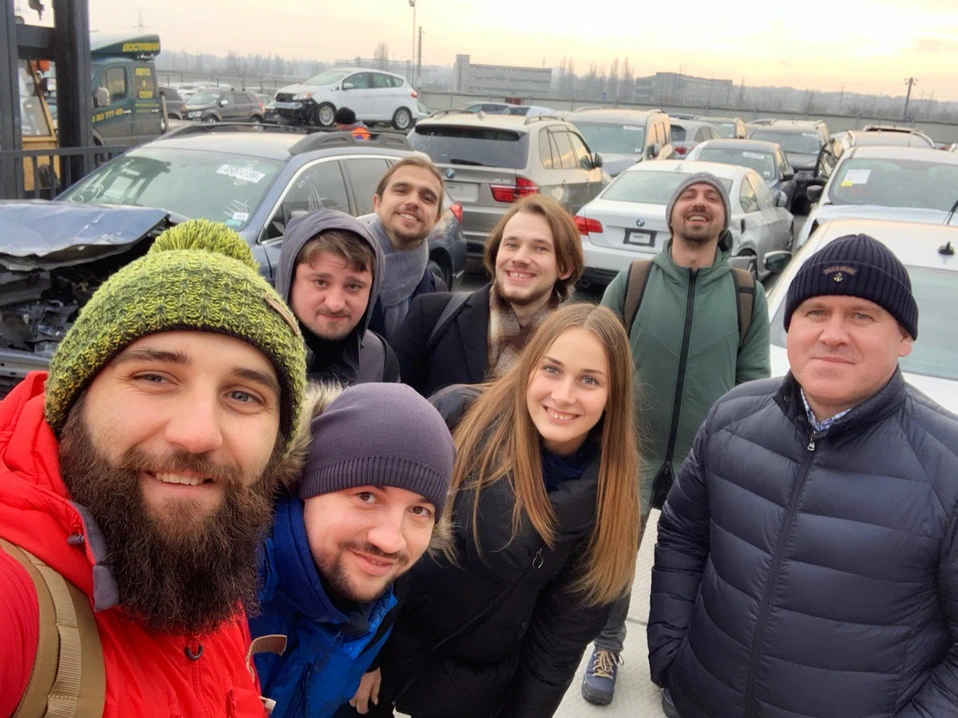
We started with an ambitious list of projects and work goals: inspector and taxpayer cabinets, infrastructure development, a BI system, automation, and a risk management system.
One day, while toying with the abbreviations formed from the names of our work areas, we stumbled upon "CAPIBARA," which reminded us of the capybara animal. As time passed, the capybara evolved into our informal mascot, and we became a real team capybara.

In our two years of operation, we had the misfortune of working under the leadership of six different heads of the State Customs Service, and we had to persuade each of them of the need for IT reforms within customs. Throughout this period, we have gained valuable experience, achieved successes, and, to be honest, encountered some disappointments.
We are proud to have implemented the BI system, launched open data, developed the NCTS joint transit system and a new website, and successfully tested several products, including the maritime checkpoint logbook and a new automated risk system using ML technologies.

Over time, our efforts hit a dead end, as the customs reform was stalled. Faced with either continuing to spin our wheels, waiting for the next opportunity for change or moving on, we unanimously chose the latter. Our team decided to conclude our work in customs because we wanted to create real change, not merely imitate it.
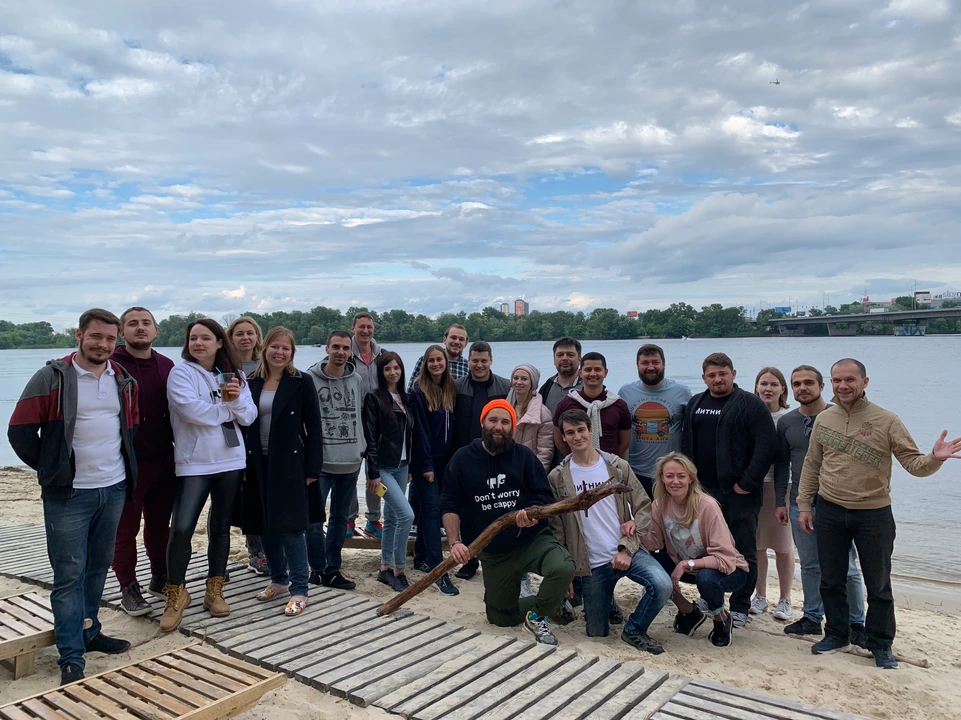
We realized that we had a unique, motivated, and strong team. Working as independent consultants for a donor, we were united only by customs reform and shared values. It was then that we started thinking about how to keep our team together and direct its efforts towards a path where it could continue contributing to the greater good of society and the country.
Since IT reforms are implemented mainly with the help of donor support, we began to consider options for further cooperation with projects. We were looking for opportunities for each of our colleagues – or mini-teams consisting of them – without fully understanding what it takes to keep a motivated team.
Later, it turned out that a company's application was required to participate in tenders for certain ITA projects, where we had enough expertise. This was when we first seriously considered setting up our legal entity, which would allow us to stay together and choose high-quality and promising projects.
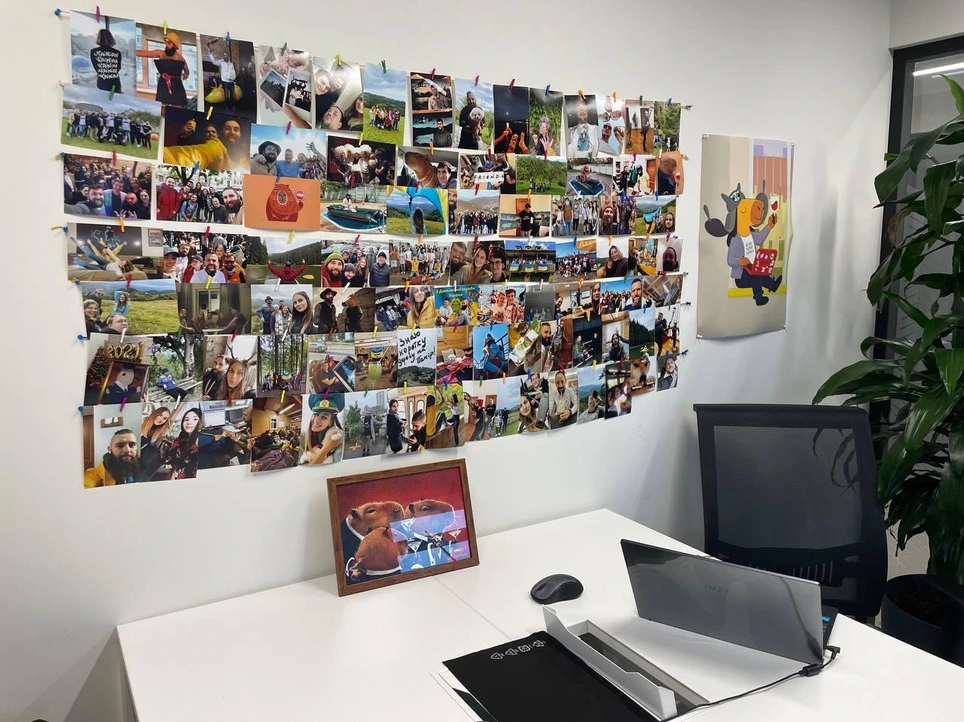
Most of our team decided to terminate their contracts with the donor and leave the reform. A minority stayed on for a few more months to prepare a more than a thousand-page transition book - a document containing a detailed description of all existing developments and projects, documentation, and visions for further development. This decision was made to ensure that the existing developments would be preserved for future changes in the customs IT systems, internally and with donors.
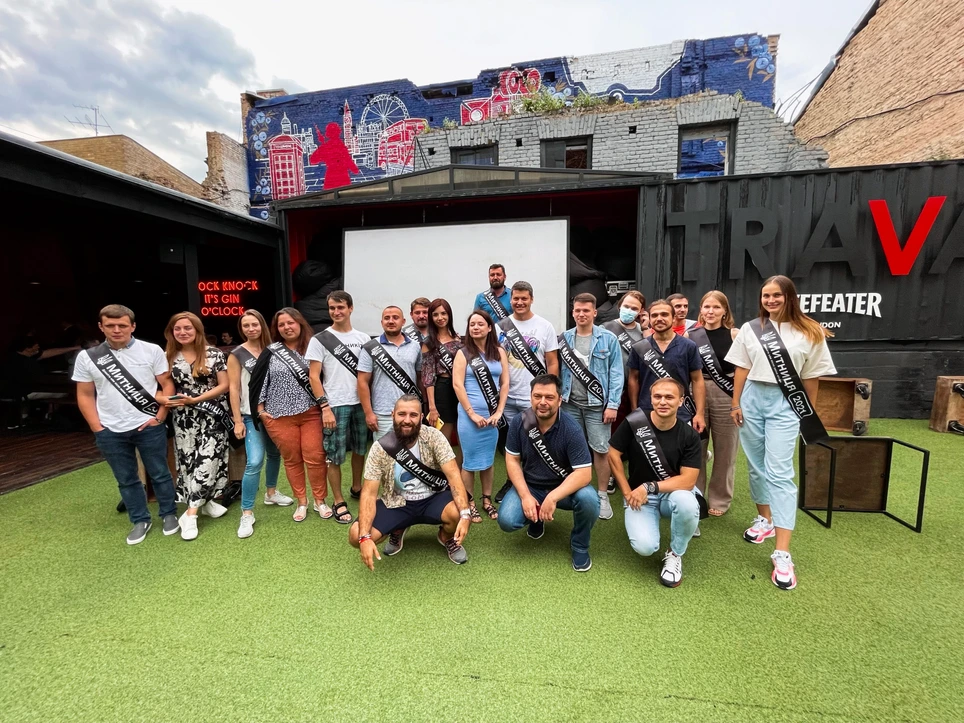
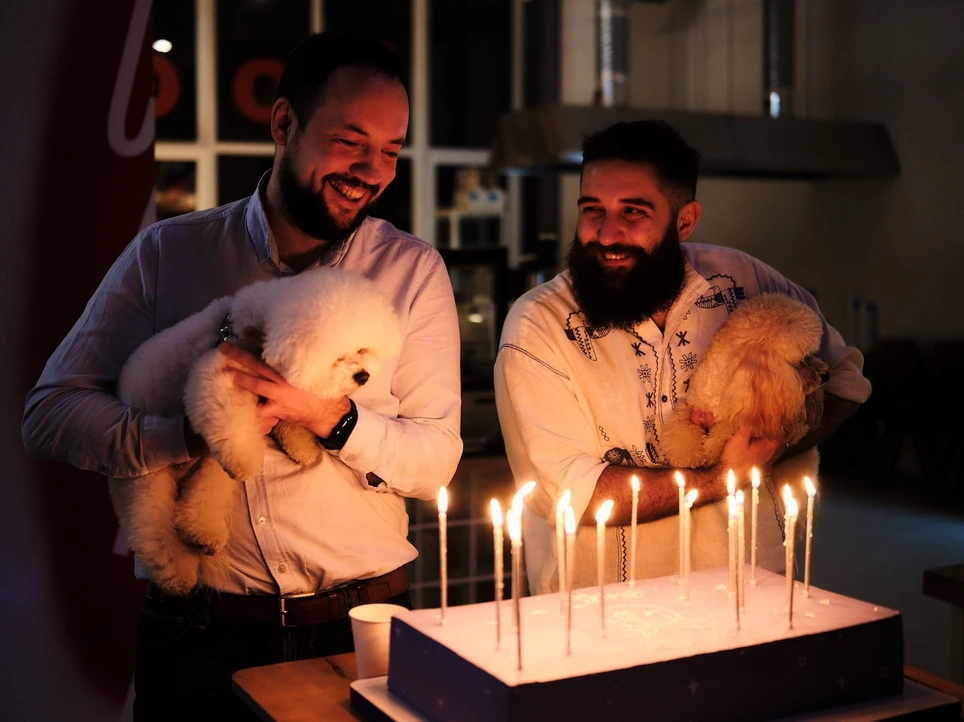
And the team... had a customs-leaving party. We agreed that we might return to this reform someday, given favorable conditions and sufficient political will.
(E-HEALTH DEVELOPMENT COORDINATION OFFICE)
We were invited to help with digitalization of the Ministry of Health of Ukraine. Our colleagues took an active part in important projects: they worked on the creation of COVID certificates, the launch of electronic sick leave, helped create registries and developed the concept of reengineering the life cycle of a number of medical certificates.
However, after working with customs reform, we were clearly aware of the risks of concentrating all people's efforts in one area. In the event of the termination of the reform, all the efforts and work of the team could not be needed by anyone. Therefore, we decided that it is necessary to diversify the directions of our work and look for additional opportunities for the further digitalization of the country.
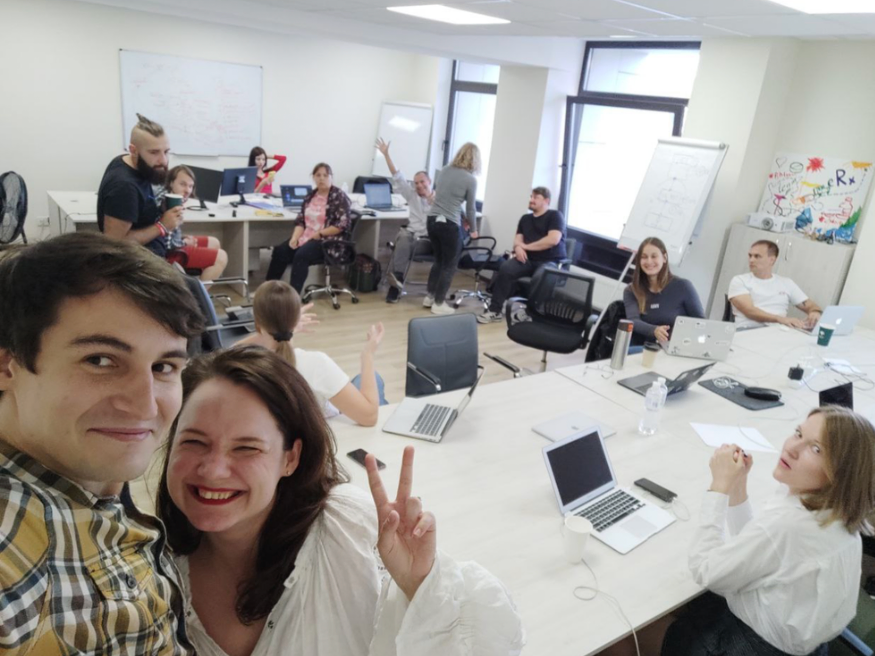
With the outbreak of the full-scale war, several projects we were working on faced suspension. During this critical time, our colleagues volunteered to establish the National Blood Headquarters in collaboration with the Ministry of Health. They actively contributed to addressing crucial matters concerning the funding of healthcare projects and assessing their future prospects. In the most challenging times for our country, we sought to preserve and support everything possible, strengthening the state where we could.
On April 14, 2022, we officially registered a company called Strimco Ukraine. We chose the name as a team, looking for one that would resonate with the heart of each and every one of us.
At the start of our journey, Strimco had 16 people. We only had a fresh company name, ourselves, and our shared beliefs and values. And that was enough to get started.
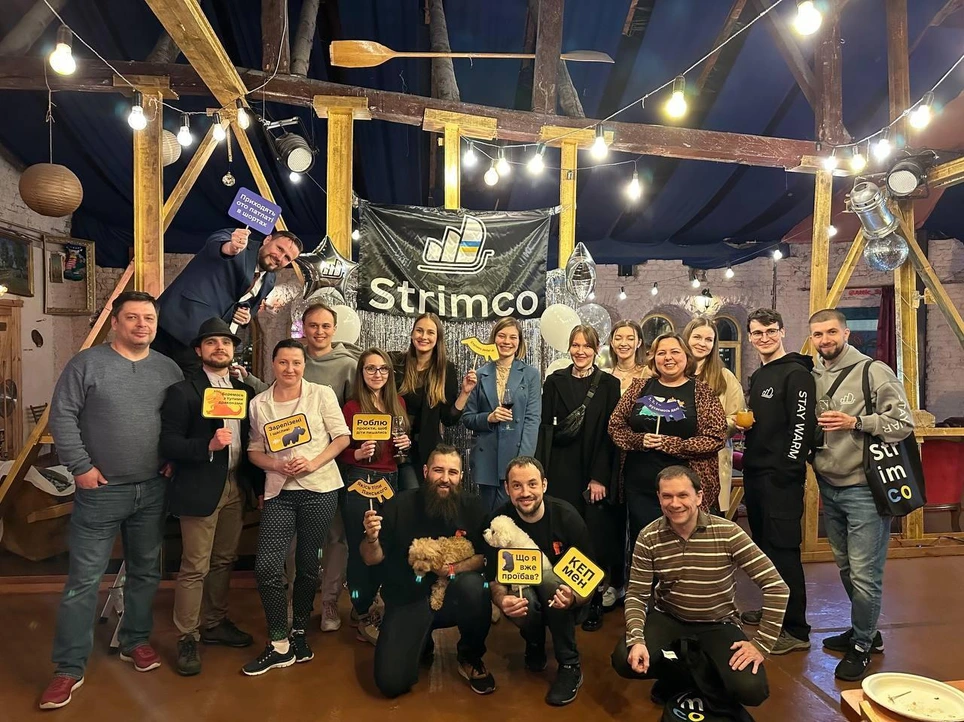
We celebrated the first anniversary of the company with 28 projects in the portfolio. Our team grew to 29 people. Strimco worked in the domains of medicine, culture, digitization, youth and sports, digital transformation, and electronic services.
Projects in the spheres of education, agro-industrial complex, electronic justice (reparations), social services were started.
Became one of the initiators of uniting Ukrainian businesses in the GovTech Alliance of Ukraine.The mission of GTA UA is to consolidate the efforts of Ukrainian IT companies, government institutions, and international partners to create innovative, transparent, and efficient public solutions, fostering the sustainable development of the GovTech sector in Ukraine and its expansion to the global level.
Since our inception, we have been working tirelessly, always going the extra mile. Sometimes, we pave the way for digitalization as if we were digging trenches. At other times, we plow the ground for new beginnings, sometimes sow the seeds of necessary changes, and sometimes drag important initiatives along. And we never stop. Because Strimco is working non-stop.